Skip to content
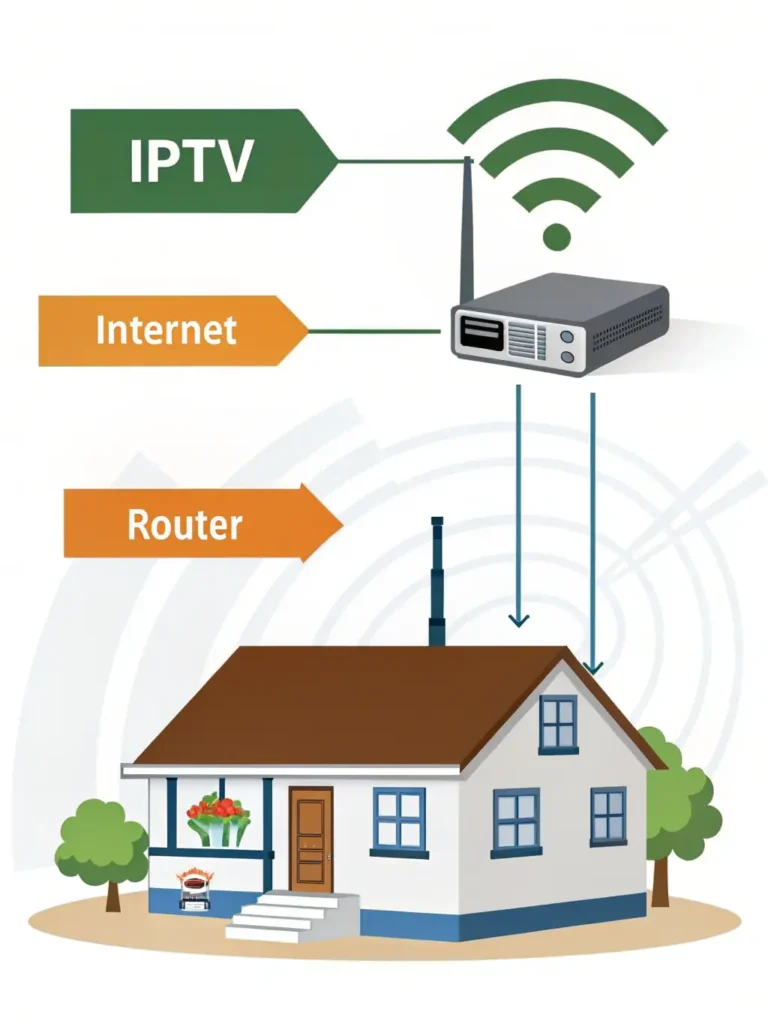
Have you evear wondered how does IPTV work? In today’s rapidly evolving digital landscape, Internet Protocol Television (IPTV) has revolutionized how we consume television content. Unlike traditional broadcast methods, IPTV uses the internet to stream live TV, VOD, and channels directly to your smart device or box, offering unprecedented flexibility and content options for viewers worldwide.
By 2025, industry analysts predict IPTV subscriptions will surpass 267 million globally, reflecting a fundamental shift in how we access entertainment. This comprehensive guide explores the technology behind IPTV, its benefits, and how to get started with this innovative streaming solution.
The Technical Foundation of IPTV Explained
What Makes IPTV Different from Traditional TV?
Traditional television relies on satellite signals or cable infrastructure to deliver content in a one-way broadcast format. In contrast, how does IPTV work involves a two-way digital communication system that transmits television content via internet protocols rather than through conventional broadcast methods.
IPTV converts television signals into small data packets transmitted over IP networks. These packets travel through the internet to your IPTV service provider’s servers and then to your receiving device. This fundamental difference enables interactive features, video-on-demand capabilities, and personalized viewing experiences impossible with traditional television.
The Three Core IPTV Service Types
IPTV typically offers three main service categories:
- Live Television: Stream current broadcasts in real-time, similar to traditional TV but delivered via the internet
- Video on Demand (VOD): Access a library of content viewable at any time, much like Netflix or Hulu
- Time-Shifted Media: Watch previously broadcast content with features like catch-up TV or recording capabilities
This comprehensive approach combines the best elements of traditional television and modern streaming services into a single platform.
IPTV Infrastructure: Behind the Scenes
IPTV operates through a sophisticated infrastructure consisting of several key components:
Content Sources and Acquisition
Content providers (television networks, movie studios) supply programming to IPTV service providers. This content undergoes:
- Encoding: Converting video content into digital formats compatible with internet transmission
- Transcoding: Adapting content for different devices and internet speeds
- Storage: Securely housing content on servers for on-demand access
Content Delivery Network (CDN)
CDNs distribute the load of content delivery across multiple servers strategically positioned across different geographical locations. This architecture:
- Reduces buffering and latency issues
- Ensures smoother streaming experiences
- Enables scalability during peak viewing times
Middleware and User Interface
The middleware serves as the bridge between the back-end infrastructure and the user-facing interface. It manages:
- User authentication and authorization
- Content discovery and recommendations
- User interface display and navigation
- Billing and subscription management
related keyword how to use iptv: Setting Up Your System
Getting started with IPTV requires just a few essential components:
Essential Hardware Requirements
To enjoy IPTV, you’ll need:
- A stable internet connection: Most services recommend speeds of at least 25 Mbps for optimal HD streaming.
- Compatible devices: Options include:
- Smart TVs with built-in IPTV capabilities
- IPTV set-top boxes (Android boxes, Apple TV, etc.)
- Computers, smartphones, or tablets with IPTV applications
- Gaming consoles with streaming capabilities
According to recent data, the average household now uses 3.5 different devices to access IPTV content, highlighting the growing multi-screen viewing trend.
Software Configuration
Once you have the hardware, you’ll need to:
- Choose a reputable IPTV service provider
- Install the appropriate application on your device
- Configure your subscription credentials
- Set up your preferred channels and content
The setup process on how to use iptv typically takes less than 15 minutes, making it accessible even for those with limited technical expertise.
Benefits and Limitations of IPTV Technology
Advantages of IPTV
IPTV offers numerous advantages over traditional television services:
- Content Flexibility: Access thousands of channels from around the world
- Multi-Device Support: Watch on TV, computer, tablet, or smartphone
- Interactive Features: Enjoy time-shifting, recording, and content search functions
- Cost-Effectiveness: Often less expensive than traditional cable packages
- Scalability: Easily add or remove channels and services as needed
IPTV Challenges to Consider
Despite its advantages, IPTV does have some limitations:
- Internet Dependency: Requires reliable internet connection
- Bandwidth Consumption: Can use substantial data, potentially affecting other online activities
- Variable Quality: Streaming quality can fluctuate based on network conditions
- Technical Complexity: May require some technical knowledge for optimal setup and troubleshooting
The Future of IPTV: 2025 and Beyond
As we look toward 2025, IPTV technology continues to evolve rapidly. Key trends to watch include:
- AI Integration: Personalized content recommendations and viewing experiences
- 5G Compatibility: Enhanced streaming quality and reliability with next-generation networks
- Interactive Content: Increasing integration of interactive elements and viewer participation
- Cloud DVR Expansion: More robust recording and time-shifting capabilities
- Blockchain Security: Improved content protection and subscription management
Industry forecasts suggest that by 2025, over 60% of television viewing will occur through IP-based delivery methods, confirming IPTV’s position as the future of content consumption.
Conclusion: Embracing the IPTV Revolution
how does IPTV work represents a fundamental shift in how we access and enjoy television content. By leveraging internet protocols to deliver a diverse range of programming options, IPTV combines the best aspects of traditional television with the flexibility and user control of digital streaming services.
Whether you’re looking to cut the cord from expensive cable packages, access international content, or simply enjoy more control over your viewing experience, IPTV offers a compelling alternative to conventional television services. With the right setup and service provider, you can transform your entertainment experience and join the millions of viewers worldwide who have already embraced this innovative technology.
Have you tried IPTV yet? Share your experiences in the comments below or reach out with any questions about getting started with this exciting television technology.