Skip to content
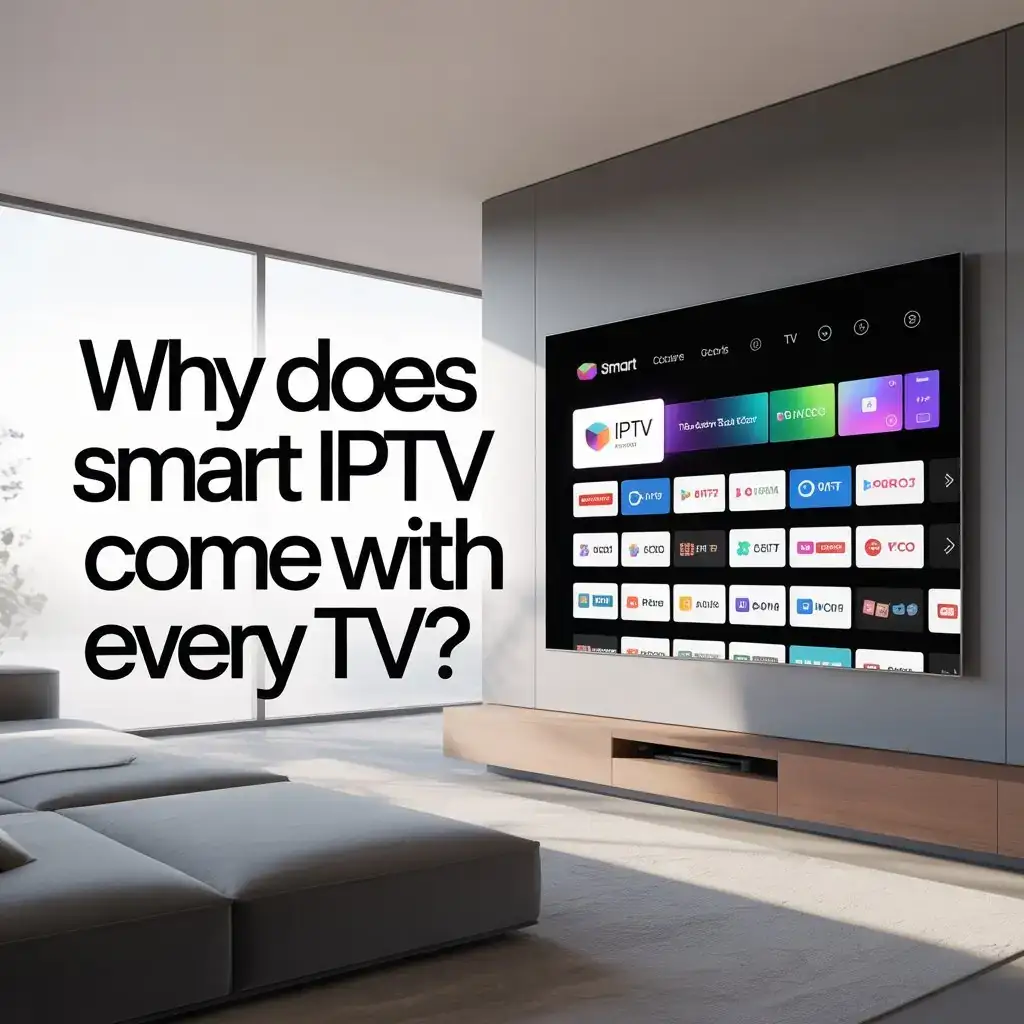
Have you ever wondered why does smart iptv come with every tv? It’s not a coincidence that modern televisions arrive with streaming capabilities built right in. The evolution of television technology has fundamentally changed how we consume media, and IPTV (Internet Protocol Television) stands at the forefront of this revolution. In this comprehensive guide, we’ll explore the reasons behind the ubiquity of preinstalled iptv apps on smart tv sets and what this means for consumers.
The Rise of Smart TVs and Integrated IPTV Services
What Exactly Is Smart IPTV?
Before diving into why IPTV comes preinstalled, let’s clarify what it is. IPTV delivers television content over Internet Protocol (IP) networks rather than through traditional satellite or cable formats. This technology allows users to stream media content directly through their internet connection, offering on-demand access to a vast library of content.
Market Demand and Consumer Expectations
The primary reason manufacturers include IPTV apps is simple: consumer demand. Today’s viewers expect seamless access to streaming services without additional hardware. According to recent industry data, over 70% of television purchases worldwide are now smart TVs, with this percentage growing annually.
A 2023 consumer electronics survey revealed that built-in streaming capabilities rank as the second most important feature consumers look for when purchasing a new television, just behind picture quality. This market pressure has essentially made IPTV integration a necessity rather than a luxury feature.
The Strategic Benefits for TV Manufacturers
Cost-Effective Feature Enhancement
For manufacturers, adding IPTV functionality represents a relatively low-cost way to significantly increase a television’s perceived value. The actual hardware requirements to enable smart functionality are minimal compared to the marketing advantage they provide:
- Basic processing capabilities
- Wi-Fi connectivity
- Software platform for apps
- User interface for navigation
By incorporating these elements, manufacturers can command premium prices while the incremental production cost remains modest.
Revenue Sharing and Partnerships
Television manufacturers don’t just include IPTV apps as a convenience—there’s often a financial incentive. Many major TV brands have revenue-sharing agreements with streaming platforms. When you subscribe to a service through your TV’s preinstalled app, the manufacturer may receive:
- A one-time referral fee
- A small percentage of your ongoing subscription
- Advertising revenue from free, ad-supported platforms
These partnerships create ongoing revenue streams that extend well beyond the initial TV purchase.
Data Collection Opportunities
Smart TVs with IPTV capabilities collect valuable user data, including:
- Viewing habits and preferences
- Content engagement metrics
- App usage statistics
- Interface interaction patterns
This information helps manufacturers refine future products and can be monetized through targeted advertising or anonymized data sales to market research firms.
Technical Integration and User Experience Benefits
Seamless Hardware-Software Integration
When IPTV apps come preinstalled and optimized for specific TV hardware, users benefit from:
- Faster performance than third-party devices
- Better resource management
- Optimized video processing
- More reliable updates
- Integrated remote control functionality
This native integration creates a smoother user experience than connecting external streaming devices, which may have compatibility issues or require additional remote controls.
Reduced Setup Complexity
For many consumers, particularly those less tech-savvy, having IPTV capabilities built directly into the television eliminates significant barriers to adoption:
- No additional equipment to purchase
- Fewer cables to connect
- Single remote operation
- Simplified troubleshooting
- Automatic updates
This accessibility factor has been crucial in the widespread adoption of streaming services across diverse demographic groups.
The Evolution of Content Consumption Habits
Cord-Cutting Acceleration
The cord-cutting trend—canceling traditional cable or satellite TV subscriptions in favor of streaming services—has dramatically accelerated in recent years. Statistics show that in North America alone:
- Cable TV subscriptions have declined by approximately 5-7% annually since 2018
- Over 50 million households now identify as “cord-cutters” or “cord-nevers”
- Streaming-only households increased by 23% in 2022
TV manufacturers have responded to this shift by ensuring their products accommodate the changing viewing preferences of consumers.
Content Discovery and Aggregation
Modern smart TVs don’t just provide access to individual IPTV apps—they increasingly serve as content aggregation platforms. Many now feature:
- Universal search across multiple streaming services
- AI-powered content recommendations
- Personalized home screens
- Voice control for finding shows and movies
- Watchlists that span different services
This integration transforms the television from a passive display into an active content discovery tool, further justifying the inclusion of IPTV capabilities.
Potential Drawbacks and Consumer Considerations
Privacy Concerns
While built-in IPTV functionality offers convenience, it raises legitimate privacy concerns:
- TVs may collect viewing data even when not using streaming apps
- Some models include microphones for voice commands that could potentially overhear private conversations
- User agreements often permit extensive data collection
- Limited transparency regarding how data is used or shared
Consumers should review privacy settings and consider these factors when purchasing a smart TV.
Software Obsolescence
Unlike traditional TVs that could function effectively for a decade or more, smart TVs with built-in IPTV capabilities may face software obsolescence:
- Apps may eventually stop receiving updates
- New streaming services might not be supported on older platforms
- Performance may degrade as apps become more resource-intensive
- Security vulnerabilities might emerge without patches
This planned obsolescence represents a significant shift in the television lifecycle, potentially shortening the useful lifespan of these devices.
The Future of Integrated IPTV on Smart TVs
The integration of IPTV capabilities in televisions will likely continue to evolve in several ways:
- Greater cross-platform compatibility and standardization
- Enhanced AI-driven content personalization
- Improved security and privacy controls
- Better integration with smart home systems
- More sophisticated local content caching to improve streaming performance
As internet bandwidth continues to increase worldwide, we can expect even more robust IPTV features to become standard on new television models.
Conclusion on Why Does Smart IPTV Come With Every TV
The prevalence of preinstalled IPTV apps on modern televisions reflects a fundamental shift in how we consume media. This integration serves multiple stakeholders: consumers gain convenience, manufacturers secure additional revenue streams, and content providers expand their reach. Understanding why does smart iptv come with every tv helps consumers make informed decisions about their entertainment ecosystem.
While the technology offers tremendous benefits, consumers should remain mindful of the potential drawbacks, particularly regarding privacy and longevity. As the technology continues to evolve, we can expect even deeper integration between traditional television and internet-delivered content.
If you’re looking for a reliable IPTV service to make the most of your smart TV’s capabilities, consider visiting Viking IPTV. Their comprehensive streaming solutions can help you unlock the full potential of your television’s built-in IPTV functionality, providing access to a wide range of channels and on-demand content through your existing smart TV interface.